
Founders & Fountainheads
Bharata Muni
The sage to whom the Natya Shastra is attributed — the foundational treatise of Indian dance, drama and music. Whether one person or a tradition, "Bharata" named the grammar all classical performing arts still speak.
Tansen
Legendary singer among the "nine jewels" of Emperor Akbar's court; fountainhead figure of Hindustani music to whom many gharanas trace their lineage. His memory is honoured in the annual Tansen Samaroh at Gwalior.
Srimanta Sankardev
Saint, poet, playwright and reformer who created Sattriya dance, Borgeet devotional song and Ankiya Naat theatre — effectively founding Assam's classical performing culture within a monastic devotional movement.
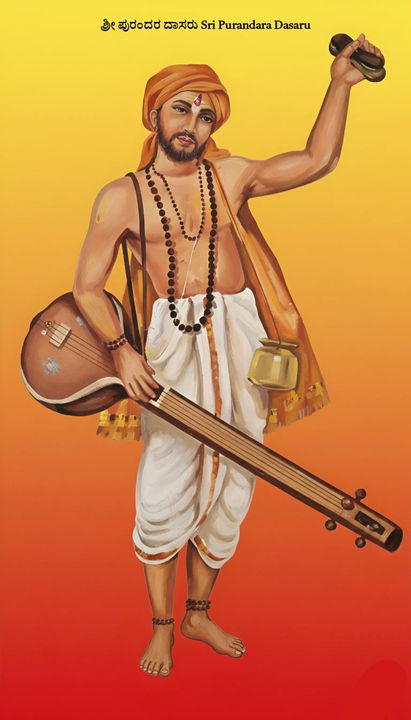
Purandara Dasa & the Carnatic Trinity
Photo via Wikimedia Commons
Purandara Dasa systematised Carnatic pedagogy; Tyagaraja, Muthuswami Dikshitar and Syama Sastri — the 18th-century "Trinity" — composed the devotional masterworks at the heart of the southern repertoire.
Revivalists & Institution-Builders
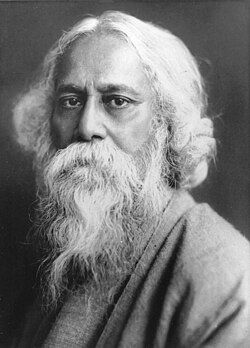
Rabindranath Tagore
Photo via Wikimedia Commons
Nobel laureate (1913) whose songs became a genre (Rabindra Sangeet) and whose Visva-Bharati at Santiniketan became a crucible of modern Indian art, dance and music education.
Rukmini Devi Arundale
Founded Kalakshetra (1936) and led the modern revival and re-staging of Bharatanatyam, giving the former temple art national dignity and a world stage.
Vallathol Narayana Menon
Great Malayalam poet who founded Kerala Kalamandalam (1930), rescuing Kathakali and Mohiniyattam and anchoring Kerala's classical arts for the modern era.
Kamaladevi Chattopadhyay
Freedom fighter who led post-Independence revival of handicrafts and handlooms and helped establish national institutions including the Sangeet Natak Akademi, the National School of Drama and the Crafts Council movement.
Vishnu Narayan Bhatkhande & V. D. Paluskar
The two great modernisers of Hindustani music: Bhatkhande documented and classified ragas into the thaat system and standardised notation; Paluskar built music schools that took classical training beyond hereditary circles.
Guru Kelucharan Mohapatra
Principal architect of Odissi's 20th-century reconstruction — dancer, choreographer and guru whose style (and students, led by Sanjukta Panigrahi) define the form worldwide.
Legends of Music
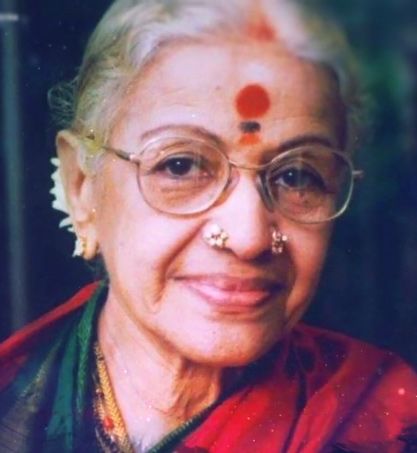
M. S. Subbulakshmi
Photo via Wikimedia Commons
Among the most celebrated Carnatic voices of the 20th century — from Madurai to the United Nations stage (1966); first musician to receive the Bharat Ratna.
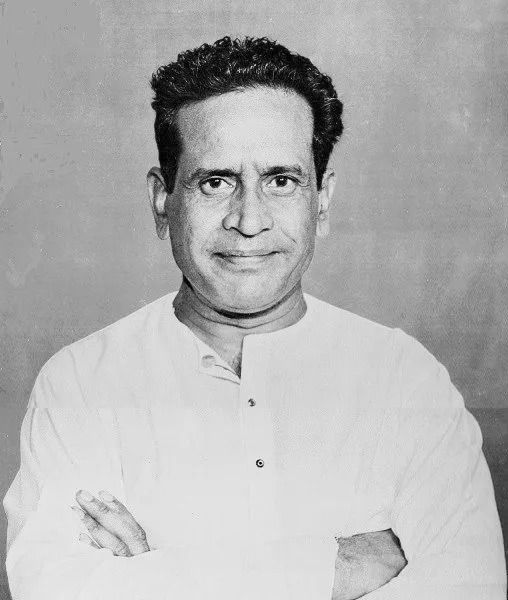
Pandit Bhimsen Joshi
Photo via Wikimedia Commons
Titanic khayal voice of the Kirana gharana; his abhangs and "Mile Sur Mera Tumhara" made him beloved far beyond the concert hall.
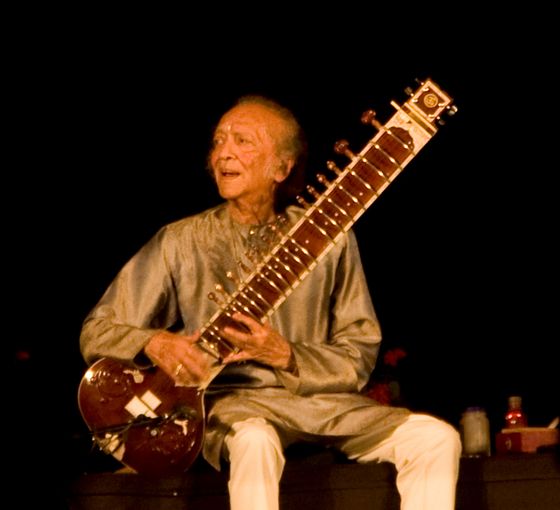
Pandit Ravi Shankar
Photo via Wikimedia Commons
Globalised Indian classical music — teacher of George Harrison, collaborator of Yehudi Menuhin and Philip Glass, and composer whose concertos bridged traditions.
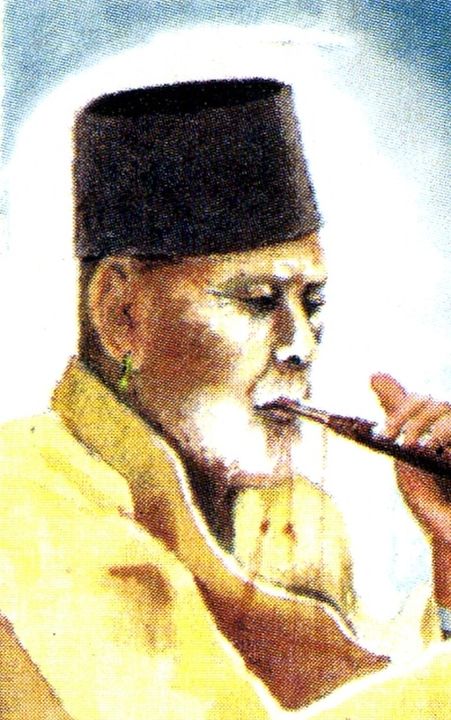
Ustad Bismillah Khan
Photo via Wikimedia Commons
Raised the shehnai from ceremonial ensemble to solo classical glory; a Varanasi icon of India's composite Ganga-Jamuni culture.
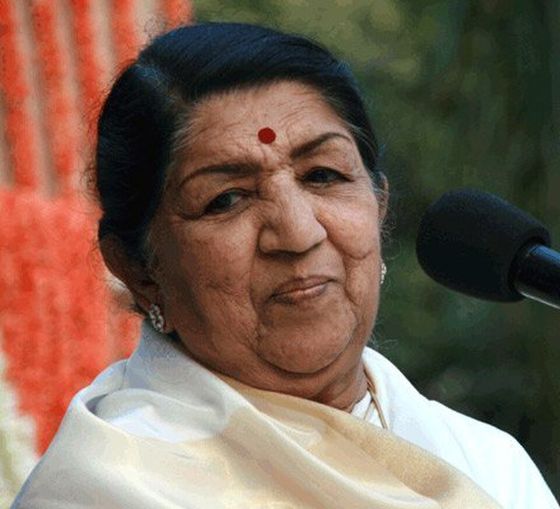
Lata Mangeshkar
Photo via Wikimedia Commons
The "Nightingale of India," whose film songs across many languages and roughly seven decades made hers the most heard voice in Indian history; her sister Asha Bhosle is a legend in her own right.
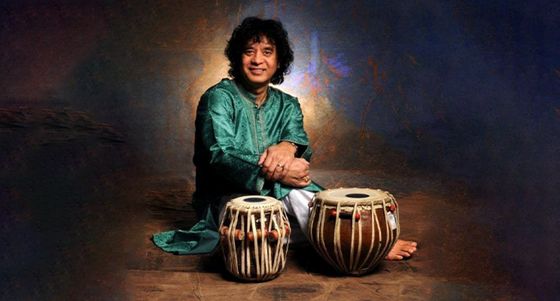
Ustad Zakir Hussain
Photo via Wikimedia Commons
Son of Ustad Alla Rakha and among the most celebrated percussionists India has produced — from accompaniment for every great soloist to Shakti and Grammy-winning global fusion.
Kishori Amonkar
Fiercely original khayal genius who reshaped her gharana's style into a deeply emotional personal art; daughter of the great Mogubai Kurdikar.
M. Balamuralikrishna
Prodigy, innovator and composer who created new ragas and talas while commanding the classical tradition — one of the most versatile musicians of his age.
Legends of Dance
T. Balasaraswati
Heir to the devadasi artistic lineage and revered worldwide for abhinaya of unmatched depth — the counterpoint and complement to the Kalakshetra revival.
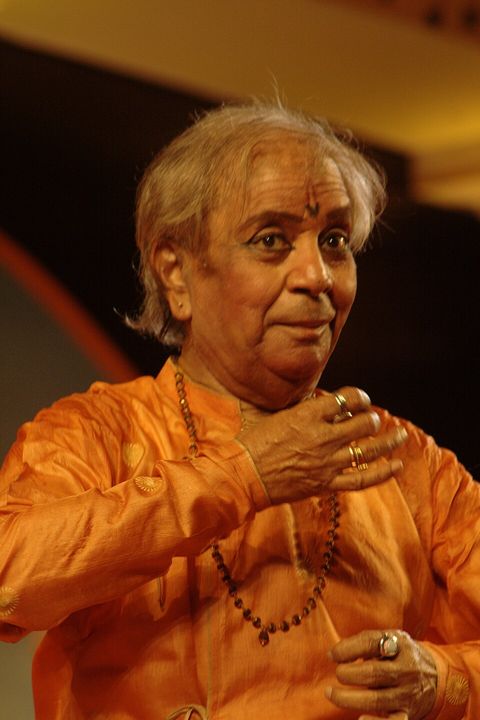
Pandit Birju Maharaj
Photo via Wikimedia Commons
The face of Kathak for over half a century: dancer, singer, choreographer (including for cinema) and guru to generations at Kathak Kendra and his Kalashram.
Uday Shankar
Pioneer of Indian modern dance who toured the world with his own synthesis of Indian idioms and Western stagecraft, opening global doors decades before "fusion" was a word; brother of Ravi Shankar.
Yamini Krishnamurthy
Blazing virtuosa who dominated the post-Independence stage and helped carry Kuchipudi to national prominence alongside her Bharatanatyam.
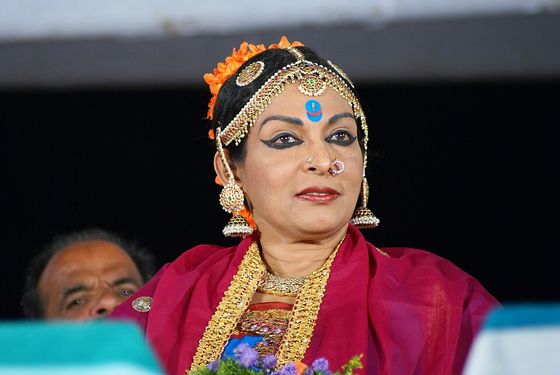
Mrinalini Sarabhai & Mallika Sarabhai
Pictured: Mallika Sarabhai · Wikimedia Commons
Mrinalini built Darpana Academy in Ahmedabad and a body of choreography of conscience; her daughter Mallika extends the legacy of dance as social voice.
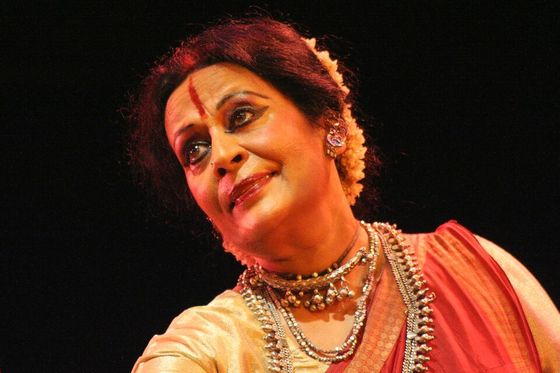
Sonal Mansingh
Photo via Wikimedia Commons
Commanding dancer-orator honoured with the Padma Vibhushan; a public voice for classical dance in India's cultural life for six decades.
Masters of Brush & Craft
Raja Ravi Varma
Fused European oil technique with Indian mythology; his mass-printed images defined popular religious art for a century.
Abanindranath Tagore & Nandalal Bose
Leaders of the nationalist art revival; Nandalal's Santiniketan teaching and Gandhi-era works shaped modern Indian art education itself.
Amrita Sher-Gil
In a tragically short life, fused Parisian modernism with Indian subjects and Ajanta's line — now one of India's "national treasure" artists whose works cannot be exported.
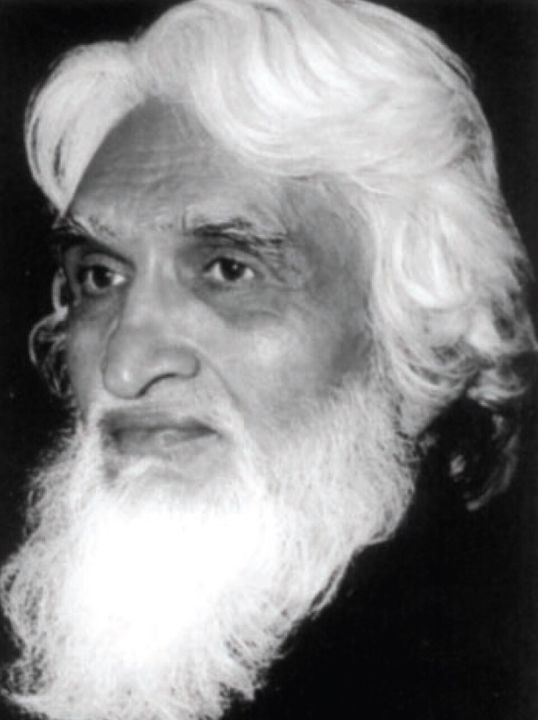
M. F. Husain & S. H. Raza
Pictured: M. F. Husain · Wikimedia Commons
Founding modernists of independent India: Husain's epic, controversial, restlessly public art; Raza's meditative geometry of the bindu, painted largely from Paris.
Jangarh Singh Shyam & Jivya Soma Mashe
The two artists most responsible for carrying Adivasi painting to the world's galleries — creating contemporary movements without abandoning their roots.
The Madhubani Masters
Sita Devi, Ganga Devi, Mahasundari Devi and Baua Devi — village women whose painted walls became national-award-winning art, proving folk tradition and individual genius are not opposites.
Voices of Stage & Story
Habib Tanvir
Created Naya Theatre with Chhattisgarhi folk performers; his Charandas Chor is a landmark of Indian theatre's "roots" movement.
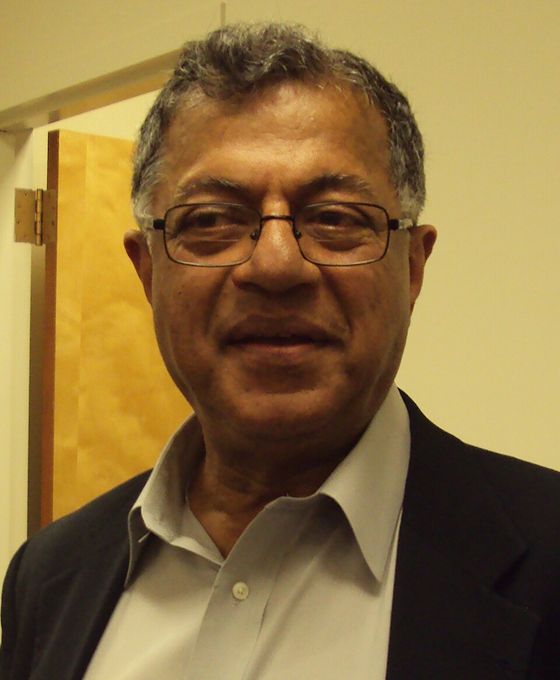
Girish Karnad
Photo via Wikimedia Commons
Jnanpith-winning playwright (Tughlaq, Hayavadana, Nagamandala) who mined myth and history for modern questions.
Ebrahim Alkazi
Legendary director of the National School of Drama who trained generations of actors and staged epic productions at Delhi's Purana Qila.
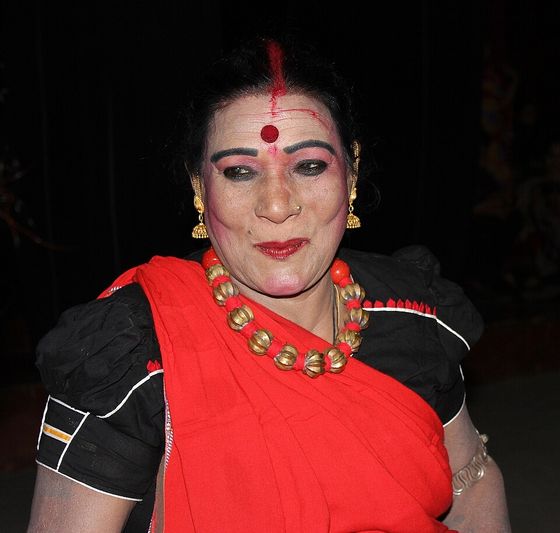
Teejan Bai
Photo: Suyash Dwivedi · Wikimedia Commons
Broke gender barriers to become Pandavani's global ambassador; honoured with the Padma Vibhushan for a lifetime of electrifying epic performance.
Ammannur Madhava Chakyar
Grandmaster of Koodiyattam whose artistry anchored the tradition's survival into the UNESCO era and trained its present generation.
Gulabo Sapera
Took the Kalbelia community's serpentine dance from desert settlements to international festivals, becoming the face of the UNESCO-inscribed tradition.
Voices of Karnataka — Word, Stage & Screen
Three figures through whom Karnataka's language, theatre and song reached the whole nation.
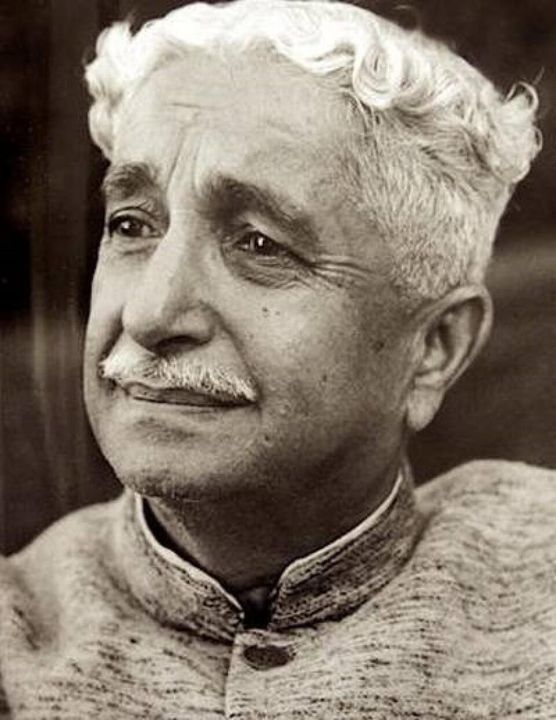
Kuvempu
Photo via Wikimedia Commons
Modern Kannada's towering poet, author of the epic Sri Ramayana Darshanam and the first Kannada writer honoured with the Jnanpith Award (1967). His song Jaya Bharata Jananiya Tanujate is sung today as Karnataka's state anthem — poetry that became the voice of a people.
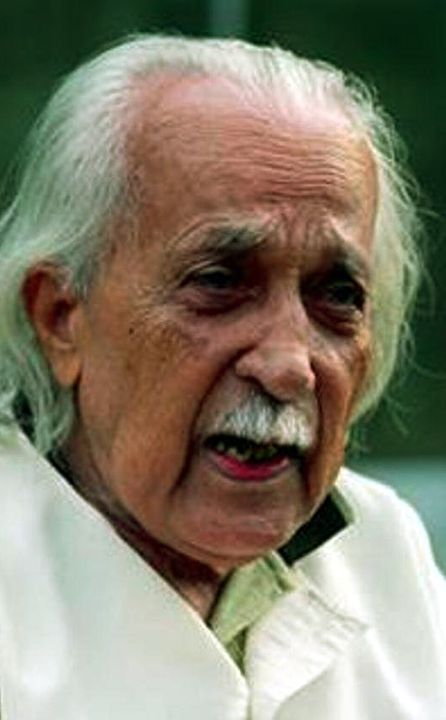
Shivarama Karanth
Photo via Wikimedia Commons
Novelist, environmentalist and restless polymath (Chomana Dudi, Mookajjiya Kanasugalu — Jnanpith Award, 1977) who spent decades studying, reforming and touring Yakshagana. His "Yaksharanga" experiments carried the coastal dance-drama to national and international stages.
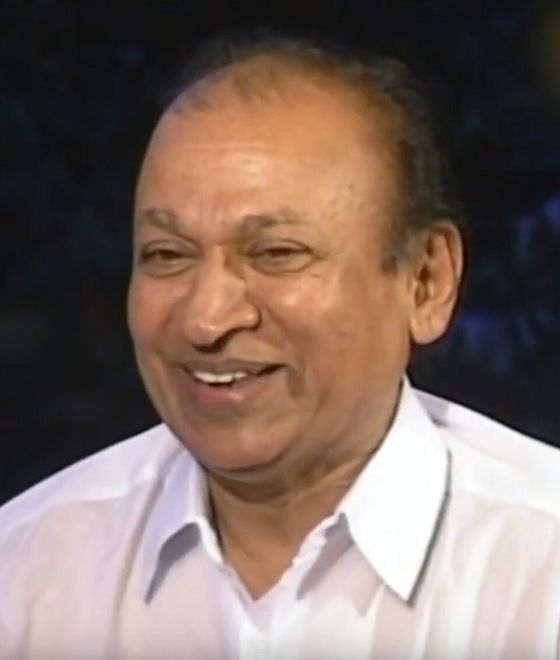
Dr. Rajkumar
Photo via Wikimedia Commons.jpg)
Kannada cinema's most beloved actor began on the professional stage with Gubbi Veeranna's celebrated drama company — a living link between company theatre and film. Also an acclaimed singer, he was honoured with the Dadasaheb Phalke Award (1995) and Karnataka Ratna.